


The Future ofPurchase OrderManagement in Manufacturing
Trusted by a range of clients and businesses





















In manufacturing, efficient procurement is essential to keeping production moving, controlling expenditure and
ensuring materials, components and services are available when required. Purchasing activity may span raw
materials, maintenance parts, tooling packaging, external services and capital equipment, often across multiple
departments or production sites.
Cloud B2B provides a cloud-based
purchase order system for manufacturing businesses, with two distinct package options. Organisations with
straightforward requirements can choose our ready-to-use off-the-shelf system, while manufacturers with more
complex workflows or integration needs can select our separate customisable package.
Both options help production, engineering, maintenance, procurement and finance teams manage purchasing more
consistently, improve budget visibility and maintain a clear audit trail from request through to delivery and
payment.
Why Cloud B2B is a Trusted Authority in Purchase Order Systems for Manufacturing
Manufacturing procurement often involves multiple departments, cost centres, production lines, suppliers and
approval levels, all of which need to operate without creating delays or unnecessary administrative work. Cloud
B2B has more than a decade of experience providing Purchase Order Systems to organisations with different levels
of procurement complexity, including manufacturing, engineering and other multi-site businesses.
For manufacturers whose requirements can be met using established functionality, our off-the-shelf Purchase Order System for manufacturers
provides a practical way to manage purchase orders, approvals, budgets, suppliers, goods receipting and
reporting. Where a business requires more specialised workflows, integrations or functionality beyond the
standard product, our separate customisable package provides a different route, allowing those additional
requirements to be developed around the organisation's processes. This gives manufacturing businesses a clear
choice between a standard ready-to-use system and a separate customisable solution for more complex procurement
environments.
In-House Development: Two Options for Manufacturing Procurement
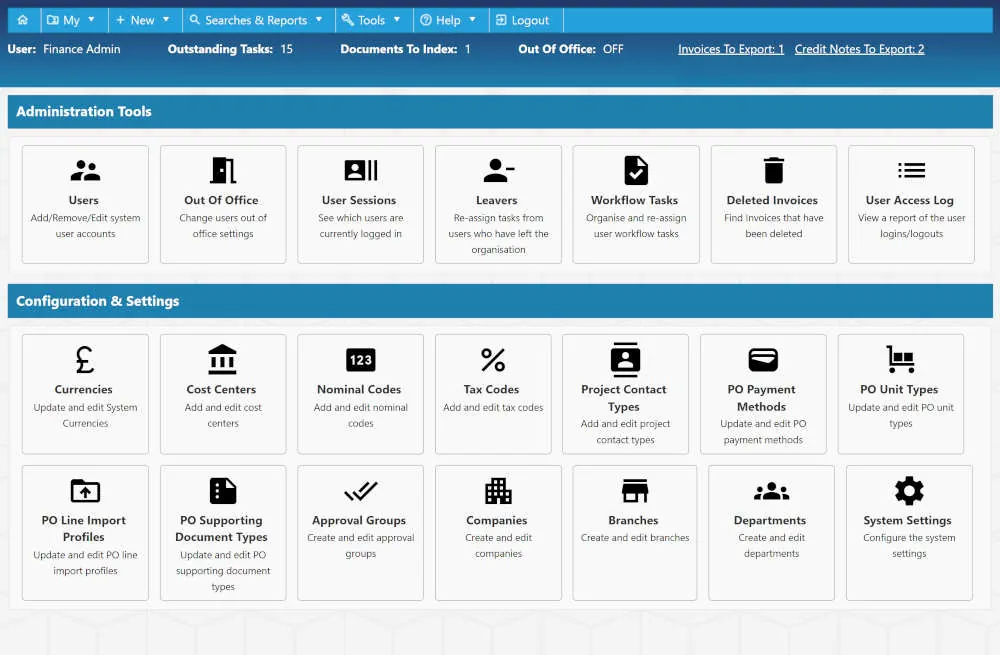
Cloud B2B designs, develops and supports its Purchase Order System entirely in-house. This allows manufacturing organisations to choose between two clearly defined approaches:
- Off-the-shelf Purchase Order System: A ready-to-use package based on established Cloud B2B functionality, suitable for manufacturers whose purchasing requirements can be met without bespoke software development.
- Customisable Purchase Order System: A separate package for organisations that require additional workflows, integrations, functionality or other development around more complex operational processes.
Both options are supported by our UK-based team, giving clients direct access to the people responsible for the software.
Client Focus: Supporting Manufacturing Teams Beyond Implementation
Cloud B2B works closely with manufacturers throughout implementation and ongoing use, helping teams introduce the system effectively across relevant departments and production environments.

Structured Implementation
We take time to understand how purchasing is managed across production, engineering, maintenance, finance and procurement teams. This helps ensure the selected package is configured appropriately and introduced smoothly across the organisation.

Training & Continued Support
Our UK-based team provides onboarding, training resources and ongoing support after implementation, helping users across different departments make effective use of the system.

Continual Product Development
Client feedback contributes to the ongoing development of our Purchase Order System. We regularly improve established functionality to support the changing procurement needs of manufacturing and other operational businesses.
By combining structured implementation with ongoing UK-based support, Cloud B2B's purchase order systems for manufacturing helps manufacturers maintain dependable purchasing processes and stronger financial oversight across sites, departments and production activity.
Trusted by the Manufacturing Sector: Real-World Success Stories
Cloud B2B's expertise is demonstrated through the measurable results we have delivered to manufacturers across the industry. From specialist engineering firms to large multi-site production groups, our track record shows how we provide tailored purchase order solutions that streamline procurement, strengthen financial control, and support operational efficiency across projects, departments, and production lines.
Recognised Excellence: Awards and Broad Industry Experience
Cloud B2B has built a reputation for delivering procurement systems that are both reliable and forward looking.
Our focus on quality, innovation, and client outcomes has been recognised with industry awards, including being
named a finalist at the 2024
Cambridge Business Awards.
What really defines us, however, is the breadth of experience we bring across many sectors. From care providers
and leisure groups to engineering firms and public bodies, our platform has been adapted to meet the practical
needs of organisations of every size. Whether supporting a small team or a large multi-site operation, Cloud B2B
provides clarity, consistency, and control in purchasing.

General Business
General business procurement often involves managing routine purchasing across departments, teams, locations, and suppliers. Cloud B2B's purchase order software brings this activity into one structured system, giving staff a simple way to raise orders while managers retain clear control over approvals, budgets, spending activity, digital records, and audit trails.

Education and Public Sector
Education providers and public sector organisations need purchasing processes that are transparent, accountable, and aligned with governance requirements. Cloud B2B's PO system for education gives staff a controlled way to raise orders while finance and management teams oversee approvals, budgets, cost centres, reporting, digital records, and procurement activity.

Construction & Infrastructure
Cloud B2B's purchase order system for construction supports the purchasing demands of project-led industries, where costs, suppliers, and site requirements need close control. The system helps manage project-level budgets, site-specific purchasing, configurable approvals, subcontractor services, materials ordering, plant hire, equipment costs, and overall project spend.

Electrical Engineering
Electrical contractors and engineering firms often need to control purchasing across live projects, sites, and cost codes. Cloud B2B's engineering industry PO software allows orders to be tracked against the correct job, location, or budget area, while finance system integration supports accurate billing, reporting, cost allocation, and budget control.

Residential and Nursing Care
Residential and nursing care providers need dependable procurement processes to keep essential supplies and services available. Cloud B2B's PO software for care homes helps teams manage orders for medical consumables, catering, laundry, maintenance, and day-to-day care home needs, with approval workflows, budget monitoring, and digital audit records built in.

Sports & Leisure
Leisure operators often manage purchasing across multiple venues with different service needs, stock demands, and maintenance priorities. Cloud B2B's PO system for sports & leisure organisations provides one central system for equipment orders, facility upkeep, consumables, budget tracking, reporting, and day-to-day purchasing across each location.

Transport and Logistics
Transport and logistics procurement involves coordinating spend across depots, fleets, warehouses, suppliers, and operational teams. Cloud B2B's transport and logistics industry PO system lets local users raise purchase orders within defined approval rules while central managers monitor budgets, supplier activity, reporting, accountability, and financial control.

Local Councils & Authorities
Councils and local authorities need to manage purchasing across public services including community care, public safety, facilities, maintenance, and administration. Cloud B2B's purchase order system for councils and local authorities helps departments raise orders within clear approval rules while central teams maintain budget visibility, audit evidence, and governance control.
No matter the sector, our goal is always the same: to provide a purchase order system that works the way your organisation works. Cloud B2B is built to mirror the processes, approval routes, and language used within your industry. The system is versatile, easy to adapt, and designed to deliver lasting value across a wide range of operational settings.
Innovation That Delivers Long Term Value
Our focus is not only on today's requirements but also on ensuring our clients are ready for the future. We invest in continuous development and introduce new technologies that help teams make better decisions and work more efficiently.
Adopting New Technologies to Improve Procurement
Tools such as automation and data driven insights are being developed to help clients gain faster, more accurate procurement information.

Product Development with Clients in Mind
We place real client feedback at the centre of our development process, creating features that respond directly to operational challenges.

Solving Everyday Procurement Problems
From reducing approval delays to simplifying reporting, our team works to make procurement smoother for both frontline staff and finance teams.
This commitment ensures that every organisation using Cloud B2B benefits from a purchase
order system that grows
with them, adapts to their needs, and continues to add value as their operations evolve.
Cloud-Based Purchase Order Management for the Manufacturing Industry: Features, Benefits, and Best Practices
Manufacturing purchasing needs to support day-to-day production without losing control over budgets, approvals
or supplier commitments. Cloud B2B's purchase order
system for manufacturers helps production, maintenance, engineering, procurement and finance teams manage
orders from initial request through approval, supplier issue, goods receipting and reporting.
The off-the-shelf package provides established functionality for common manufacturing purchasing
requirements, including departmental and project-based purchase orders, approval workflows, budget monitoring,
supplier management and delivery tracking. For organisations whose requirements extend beyond the standard
product, Cloud B2B also provides a separate customisable package for more specialised processes, functionality
and integrations.
Key Topics Covered Include:
By adopting Cloud B2B's dedicated purchase order system, manufacturing business can improve accuracy, strengthen financial oversight, and take the pressure out of day-to-day procurement. Whether you are managing departmental orders within a single plant or coordinating purchasing across multiple factories and production lines, Cloud B2B provides the tools and visibility to keep procurement under control and ensure manufacturing operations run without disruption.
What is a Manufacturing Industry Purchase Order System?
A Manufacturing Industry Purchase Order (PO) System
is a digital platform used to control purchasing across production sites, departments, projects and suppliers. It
allows authorised users to raise purchase orders for materials, components, services and equipment, route them
through defined approval processes, allocate expenditure to the correct budget or cost centre and maintain a clear
record of procurement activity.
For example, a manufacturer may use the system to manage raw material orders, maintenance spares, production
tooling, packaging, engineering supplies and subcontracted services while finance teams retain central oversight
of committed expenditure. Cloud B2B provides this functionality through its standard off-the-shelf Purchase Order
System, while manufacturers with more complex requirements can instead choose the separate customisable package.
Key features of Cloud B2B’s Manufacturing Purchase Order System

Department and Project-Specific PO Creation for Production Teams
Staff in departments such as production, maintenance, engineering, quality control, and logistics can raise detailed purchase orders aligned to their specific needs. Users select from approved suppliers or catalogue items, entering precise quantities, costs, and specifications. Price lists can be imported using standard templates, while API integrations allow live-data feeds from suppliers where available.

Automated Approval Workflows by Department, Line or Cost Centre
Purchase orders are routed through pre-set approval paths based on department, plant, project, or budget thresholds. For example, a PO raised for raw materials by a production supervisor can be routed to the factory manager or central finance team. Automated notifications ensure that approvals happen quickly, preventing delays that could impact production schedules.

Real-Time Budget Allocation & Cost Control
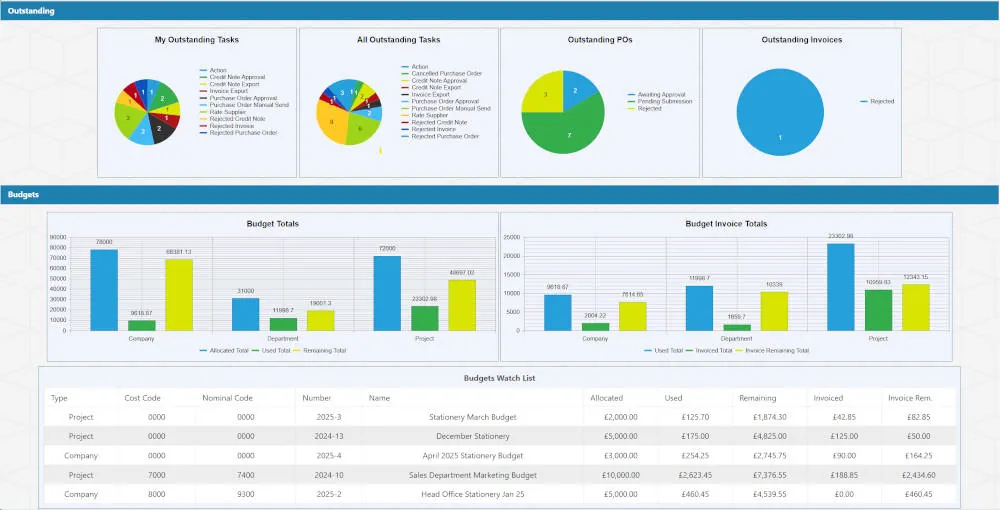
Each PO line item is linked to a budget, project, or cost centre, allowing detailed tracking of expenditure by department, production line, or manufacturing site. This ensures clear financial oversight, prevents overspend, and supports accurate cost allocation for ongoing production projects.

Goods Receipting & Delivery Confirmation
Once deliveries arrive, teams can confirm full or partial receipt of goods using built-in tools or by uploading scanned delivery notes. Whether it's raw materials delivered to a warehouse or replacement machinery parts sent directly to a production floor, all records are updated in real-time, keeping stock and procurement data accurate.

Seamless Invoice & Credit Note Reconciliation
Supplied invoices are automatically matched against approved purchase orders and receipted items, ensuring accuracy and eliminating duplication. Integration with leading accounting platforms such as SAGE, XERO, and QuickBooks allows for a smooth transition into finance workflows and secure payment cycles.
Clear Department and Site-Based Order Tracking
Every order is tracked by site, project, department, and supplier so that central procurement teams have visibility of group-wide activity while plant managers retain oversight of local spending. this enables joined-up reporting and cost control across complex manufacturing operations.
Insightful Procurement Reporting for Manufacturers
Built-in reporting tools give procurement and finance teams the data they need to monitor supplier performance, track spend by line or project, and identify savings opportunities. Reports can be filtered by site, department, budget, or supplier and exported in PDF, Excel or CSV formats for operational or board-level reporting.

Flexible Admin Controls to Manage Teams and Settings
Administrators can easily configure approval workflows, budget codes, and user access to reflect the structure of the business. This ensures the system adapts as production lines, projects, or teams change, without requiring external support.
Why Use a Cloud-Based Purchase Order System in Manufacturing?
- Support Production Continuity: Structured purchasing helps ensure materials, components and services are ordered and approved efficiently, reducing avoidable delays that could affect production schedules.
- Improve Cost & Budget Control: Purchase orders can be allocated to departments, projects, cost centres and budgets, giving finance and operational teams clearer visibility of committed expenditure.
- Strengthen Supplier & Delivery Management: Centralised supplier information, goods receipting and purchasing records help teams track what has been ordered, delivered and remains outstanding across production and warehouse locations.
- Connect Multiple Sites & Departments: Authorised users can access the system through a web browser, helping manufacturers maintain consistent purchasing processes across factories, warehouses, engineering teams and central finance functions.
By introducing a structured cloud-based purchase order system, manufacturers can reduce administration, improve spend visibility and maintain stronger control over operational purchasing. Cloud B2B provides established functionality for organisations looking for a straightforward solution, with a separate customisable package available where more complex requirements need to be addressed.

How Does Cloud-Based Purchase Order Software Work Within Manufacturing?
Cloud-based purchase order software gives authorised
manufacturing staff access to procurement tools through a secure online platform. Users can raise orders against
the appropriate department, project, production site or budget and submit them through defined approval routes.
Once approved, purchase orders can be issued to suppliers and tracked through delivery, goods receipting and
reporting.
Finance and procurement teams can monitor commitments across plants and departments, review supplier activity and
analyse expenditure by site, project, cost centre or supplier. Cloud B2B offers this functionality through two
package routes. The off-the-shelf system provides established functionality for manufacturers whose requirements
fit the standard product, while the customisable package is available separately for organisations requiring
additional development or integration.
Key Features of Cloud B2B's Purchase Order Software for Manufacturers
Benefits for Manufacturing Organisations
Keeps Production on Schedule:
Procurement processes are aligned with production deadlines, reducing the risk of costly downtime from missing materials or delayed approvals.
Scales Across Projects and Sites:
Whether supporting a single factory or a global network of plants, the system adapts to complex multi-site operations with ease.

Cost Efficient and Easy to Deploy:
With a subscription-based model, there are no heavy upfront costs for hardware or installation. updates and new features are delivered automatically as part of the service.
Supports Continuous Improvement:
Data driven insights from reporting and analytics help manufacturers refine supplier choices, improve efficiency, and reduce waste.
By using Cloud B2B's cloud-based purchase order
software, manufacturers gain full
visibility, financial control,
and a system that directly supports production efficiency and supply chain resilience. It is not just a
procurement tool, but a driver of operational continuity and long-term growth.
In Manufacturing Procurement, What’s the Difference Between a Purchase Order and an Invoice?
In the manufacturing sector, purchase orders (POs) and invoices are both essential procurement documents, but they
serve different purposes as distinct stages of the purchasing process. Understanding the difference is critical
for production managers, finance teams, and procurement departments who must keep materials flowing, projects on
budget, and suppliers accountable across plants and production lines.
Cloud B2B's Purchase Order System for manufacturing
makes it straightforward for manufacturers to raise and manage
purchase orders, automatically match invoices to approved orders, and maintain a transparent, fully auditable
procurement process. This ensures every order is tracked, every invoice is verified, and every payment supports
project budgets and departmental cost controls, whether for a single factory, or an international group of sites.
What is a Purchase Order in Manufacturing?
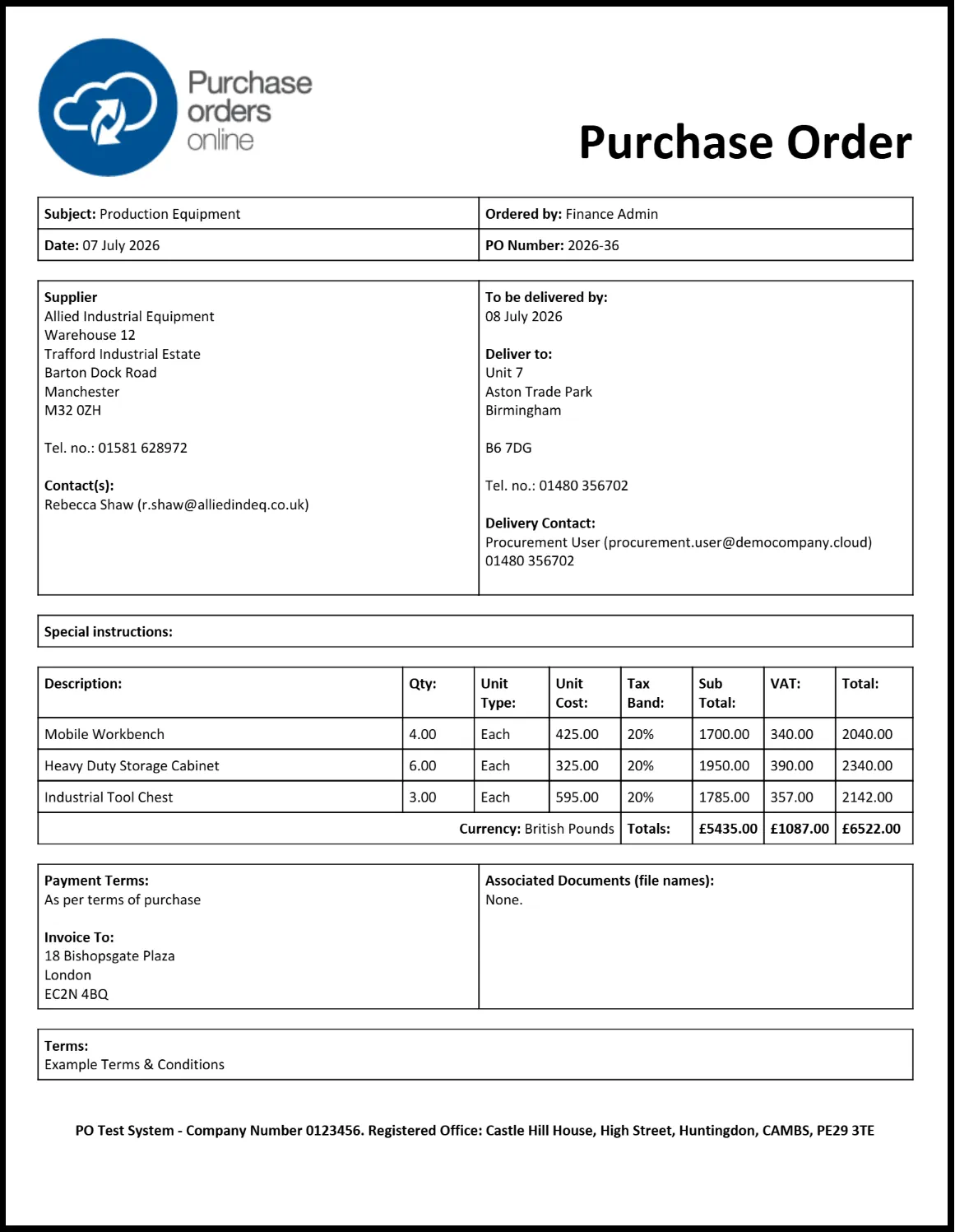
A purchase order is a formal request created by an authorised team member to order goods or services from an approved supplier. In manufacturing this might be raw materials for a production line, specialist components for an engineering project, or replacement parts for machinery. The purchase order defines exactly what is required, the agreed price, and which department or project the request is linked to.
- Created in Cloud B2B by authorised users with access to approved suppliers and pricing catalogues.
- Assigned a unique PO number for traceability across projects, departments, and sites.
- Contains key details including department or project name, material descriptions, quantities, delivery instructions, and cost codes.
- Routed through approval workflows set by spend limits, department, or project structure.
- Acts as the formal authorisation for procurement before any goods or services are supplied.
- Directly linked to budgets for projects, production lines, or departments to provide financial oversight from the point of request.
What is an Invoice in Manufacturing?
An invoice is issued by the supplier after goods or services have been delivered. It acts as a request for payment and confirms exactly what has been supplied. In manufacturing this could be an invoice for steel delivered to a fabrication plant, electronic parts supplied to an assembly line, or a service charge for urgent machine repairs.
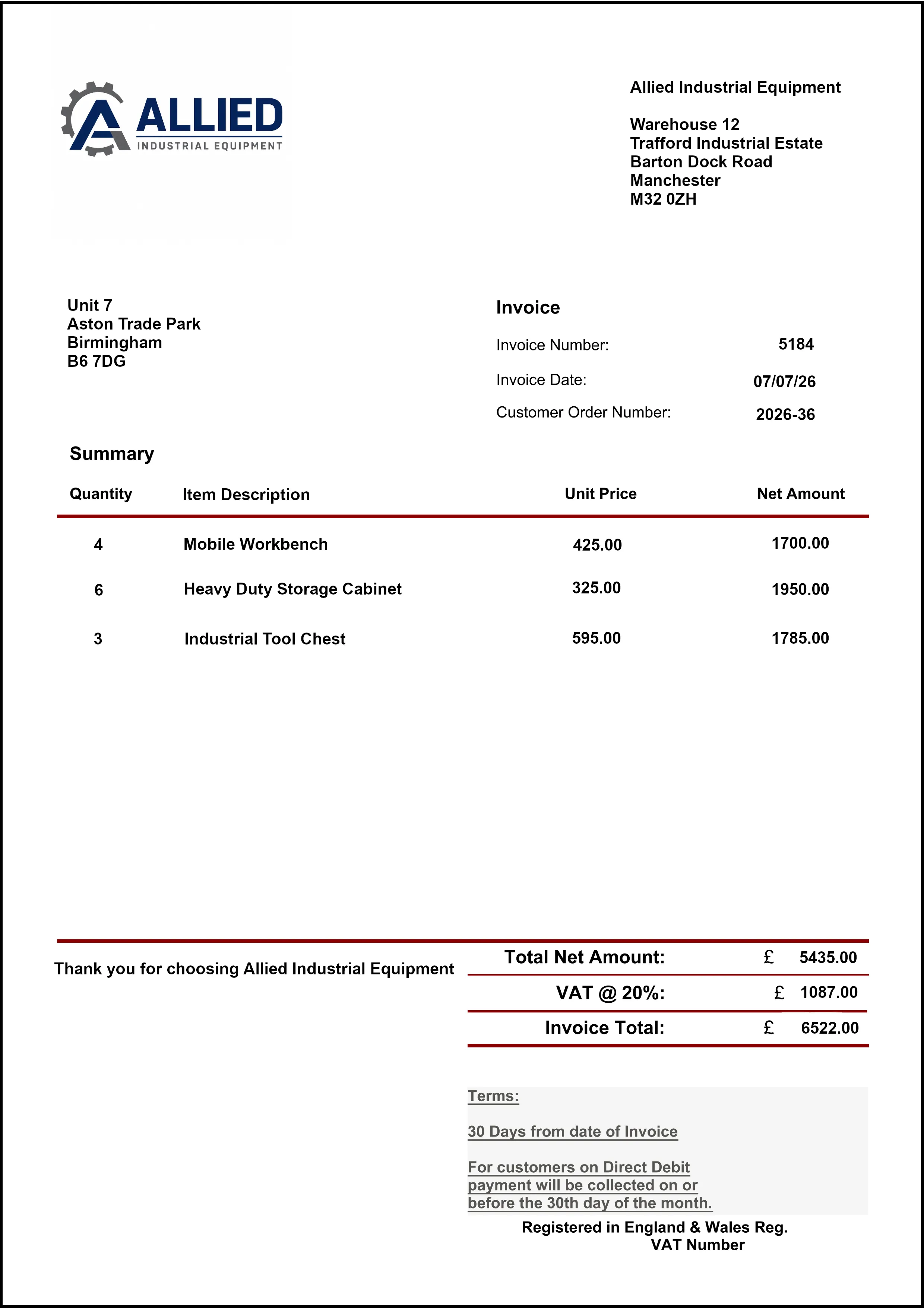
- Issued by the supplier once delivery has taken place.
- Includes an invoice number, supplier details, material descriptions, quantities, VAT, and the total amount playable.
- Uploaded into Cloud B2B and automatically matched to the original purchase order and the delivery record.
- Supports three-way matching (purchase order, goods received, invoice) to ensure payment accuracy.
- Integrates with accounting systems such as SAGE, XERO, and QuickBooks to streamline reconciliation.
- Provides a full audit trail while reducing the risk of duplicate or unauthorised payments.
Key Differences Between a Purchase Order and an Invoice in Manufacturing
- Timing: A purchase order is created before goods or services are delivered and acts as the official authorisation to spend. An invoice is issued after delivery as the supplier's request for payment.
- Purpose: The purchase order confirms the manufacturer's intent to buy specific materials or services. The invoice confirms what has actually been delivered and the amount due.
- Content: A purchase order contains project or department details, material descriptions, agreed prices, delivery information, and budget codes. An invoice records what was supplied, its cost, and the total amount payable.
- Process: Purchase orders move through an internal approval workflow linked to budgets. Invoices are uploaded after delivery and matched to the purchase order and delivery confirmation before payment is released.
How Purchase Orders and Invoices Work Together in Manufacturing
Cloud B2B supports a structured order to payment process:
By using Cloud B2B's integrated purchase order and invoice management, manufacturers ensure that suppliers are paid only for goods and services that were authorised, delivered, and receipted. Every purchase is linked to the correct project or department, giving real-time budget visibility and a complete audit trail. This reduces administration, strengthens supplier relationships, and keeps production schedules on track.
How Can I Create a Manufacturing-Specific Purchase Order Document?
Creating a clear and accurate purchase order (PO) document is a crucial part of procurement management within the
manufacturing industry. Whether you are ordering raw materials for a production line, sourcing specialist
components for an engineering project, restocking tools for maintenance, or arranging calibration services for
equipment, a purchase order ensures that every request is recorded, authorised, and aligned with the correct
project or departmental budget.
A purchase order acts as a formal and trackable instruction from a manufacturing department to an approved
supplier. It sets out what is required, the agreed costs, delivery location, and payment terms. Cloud B2B's
Purchase Order System is designed specifically to support
manufacturers, helping teams across production,
engineering, maintenance, logistics, and quality control manage purchasing accuracy, financial discipline, and
efficiency.
Steps to Create a Manufacturing Purchase Order Document Using Cloud B2B
By following these steps within Cloud B2B's Purchase Order System, manufacturers can create accurate project and department specific purchase orders that reduce errors, maintain cost control, and ensure full visibility across procurement activity. Whether managing a single site or multiple plants and projects, every department, from production and engineering to maintenance and logistics, can manage purchasing with greater confidence, accountability, and efficiency.
What Fields Should a Manufacturing Purchase Order Document Template Include?
In manufacturing, a purchase order (PO) template is more than an administrative form. It is the foundation of a
controlled and reliable procurement process. Without the correct fields, supplier communication can fail, costs
can be misallocated, and production schedules can slip. A well structured template ensures that every order for
raw materials, machine parts, tooling, or subcontracted services is clear, accurate, and linked to the correct
department or project budget.
Cloud B2B's purchase order system for manufacturing
provides configurable templates that reflect how plants and
projects are managed. Whether a request comes from a production line, a maintenance team, or an engineering
project, the system ensures that orders are consistent, auditable, and financially accountable.
Core Fields Every Manufacturing Purchase Order Should Contain
Manufacturing Focused Features in Cloud B2B’s Purchase Order System
Project and Department Budget Allocation:
Each line item can be linked to a project budget, a production line allocation, or a departmental cost code,
ensuring that expenditure is tracked with precision and reported without manual coding.
Goods Receipting for Production and Maintenance:
Deliveries are confirmed in real-time at the line, project, or site level. Only receipted items are processed for
payment, keeping inventory data accurate and preventing overspend.
Supplier Price List Controls:
Supplier pricing can be imported through standard templates, ensuring that purchase orders use the most up to date
rates for materials and parts. Where required, live data feeds from suppliers can be integrated to keep catalogues
current.
By using a manufacturing specific purchase order template within Cloud B2B's system, manufacturers gain a standardised process that strengthens supplier communication, ensures accurate budget control, and delivers full transparency across projects, production lines, and departments. This structure is essential in fast-paced manufacturing environments where cost efficiency, delivery accuracy, and supply chain reliability are critical to operational success.
How Can I Track the Status of Manufacturing Purchase Orders?
In the manufacturing industry, tracking purchase orders is essential to keeping production schedules on track,
preventing costly downtime, and maintaining accurate supply chain oversight. Whether it is monitoring the delay of
raw materials for a fabrication line, checking the arrival of tooling for an engineering project, or following up
on urgent spare parts for maintenance, visibility at every stage of the order process is vital to smooth and
efficient operations.
Cloud B2B's Purchase Order System gives production
teams, department managers, finance
staff, and central
procurement complete oversight of each order from the moment it is created to final delivery and invoice
reconciliation. With real-time status updates, automated alerts, and powerful reporting features, manufacturers
can reduce delays, prevent supply shortage, and ensure that every order is controlled and auditable.
Ways to Monitor Purchase Order Status in Manufacturing
With Cloud B2B's manufacturing specific purchase order system, tracking orders becomes a proactive and transparent process that connects production teams, project managers, and finance departments. From raw material sourcing to project-based procurement, every order can be followed from request to delivery with complete visibility. This not only ensures that materials and parts arrive on time, but also provides accurate budgeting, clear audit trails, and stronger supplier relationships across the supply chain.
How Can I Use Systems to Manage Approvals and Budget Controls for Manufacturing Purchase Orders?
In manufacturing, procurement must be carefully controlled to keep production lines supplied, projects on budget,
and supplier relationships consistent. Whether sourcing raw materials, ordering specialist tooling, or arranging
urgent machinery repairs, a clear approval process ensures every purchase is properly authorised and financially
accountable.
Cloud B2B's Purchase Order System allows manufacturers
to design approval workflows that reflect how their
operations run. Each purchase request follows a structured approval route and is linked to a specific project,
production line, or departmental budget. This enables local teams to make timely decisions while giving central
procurement and finance complete visibility across all sites.
Key Tools for Managing Approvals and Budgets in Manufacturing
Approval Routes to Suit Production Structures
Manufacturers can design workflows to reflect the way their operations run. For example, a request for consumables on a fabrication line may only need approval from a line supervisor, while a large machinery order could require sign off from both the plant director and finance. Roles and responsibilities are defined clearly so production, engineering, and maintenance teams each follow the right process without delays.
Budget Controls Linked to Projects and Lines
Budgets can be assigned to production lines, engineering projects, or maintenance departments. Every line item in a purchase order is tied to the correct budget, giving it instant visibility of remaining funds. If a request would exceed its allocation, the system flags it immediately, helping managers make informed decisions about scaling back or escalating the order.
Role-Based Permissions and Secure Access
Not all staff need the same level of access. A production supervisor may be able to raise an order, but only a project lead or procurement manager can authorise it. The system enforces separation of duties, preventing any individual from both raising and approving an order, which protects against errors and strengthens financial control.
Complete Audit Trails Across Projects
Every action taken on PO is recorded, from creation through to approval or rejection. This creates a reliable history that shows who approved a tooling request, when a maintenance order was altered, or why a project order was declined. These records are essential for project reviews, supplier negotiations, and financial audits.
Integration with Finance and ERP Systems
Cloud B2B links directly with finance platforms such as SAGE, XERO, and QuickBooks, and can integrate with ERP systems used in manufacturing. This ensures approved POs and matched invoices flow automatically into financial records, cutting out duplication and speeding up reconciliation.

Flexible Rules for Scales of Operation
The system adapts easily to the scale of the business. A single site manufacturer may only need one or two levels of approval, while a multi-plant group can set up tiered approval chains for high value or project-specific orders. For example, an order for new CNC machinery might pass through engineering, project management, and finance before being confirmed.
Notifications to Keep Orders Moving
Automated alerts are issued whenever action is required. Production managers are reminded of pending approvals, finance teams are notified when budget limits are approached, and procurement staff receive updates when orders are modified or rejected. This reduces bottlenecks and helps keep production schedules on track.
Extra Tools for Procurement Oversight
Goods Receipting at Project or Line Level:
Teams confirm deliveries as they arrive at the factory or project site, ensuring only receipted goods are
approved for payment and stock levels are accurate.
Reporting and Spend Analysis:
Generate reports filtered by project, production line, supplier, or department. These can be exported in
Excel, CSV, or PDF for forecasting, supplier performance reviews, or detailed cost tracking.
Unlike many industries, delays in manufacturing procurement can halt production entirely. Having a system that
enforces approvals, keeps budgets under control, and provides instant visibility across departments and projects
is critical. Cloud B2B's Purchase Order System gives manufacturers this control without slowing operations.
From small factories to multi-site groups, the platform ensures that every purchase is justified, approved at the
right level, and allocated to the correct project or department budget. The result is tighter cost management,
reduced downtime, and more efficient procurement process that directly supports production performance.
How Does a Purchase Order System Support Manufacturers with Multiple Sites, Production Lines, or Divisions?
In manufacturing, procurement is rarely confined to a single team or location. Large
organisations may run several
plants, each with multiple production lines, engineering projects, and maintenance departments. As operations
expand, managing purchasing across these sites becomes increasingly complex, with risks of duplicated orders,
overspending or supply chain delays.
Cloud B2B's Purchase Order System for manufacturers is
designed to unify these operations within one central
platform. Each plant, line, or project can manage its own day-to-day procurement, while central teams
retain
complete oversight of budgets, suppliers, and reporting across the organisation.
How Cloud B2B Supports Multi-Site Manufacturing Operations
Benefits for Manufacturers Operating Across Multiple Sites

Consistent Procurement Processes

Scalable for Future Organisational Growth

Stronger Accountability & Audit Compliance

Central Oversight with Local Flexibility
By adopting Cloud B2B's Purchase Order System, manufacturers with multiple sites, production lines, or divisions gain a unified yet flexible way to manage procurement. From regional factories to global operations, Cloud B2B helps procurement teams stay aligned, ensures budgets are respected, and keeps production supplied efficiently across the entire business.
How Can Purchase Order Analytics Enhance Procurement Strategy in the Manufacturing Sector?
In manufacturing, procurement strategy is about more than placing orders. It is about ensuring uninterrupted
production, controlling material costs, and strengthening supply chain resilience. From sourcing raw materials for
production lines, to coordinating tooling and across multiple plants, having accurate purchasing data data is
vital to keeping projects on time and within budget.
Cloud B2B's Purchase Order System for the manufacturing
industry provides analytics tools designed to turn
day-to-day purchasing activity into valuable insight. Procurement leaders, finance teams, and operations
managers
can see exactly how spend is distributed across departments, projects, and sites, helping them make smarter
decisions and avoid risks that disrupt manufacturing performance.
How Analytics Strengthen Procurement in Manufacturing
Analytics Features Built for Manufacturing

Customisable Dashboards
View procurement by project, production line, department, or supplier.
Advanced Filters and Reporting
Analyse data by date range, or cost centre.
Live Budget Tracking
Monitor spend against allocations in real-time.
Finance System Integration
Connect to platforms such as SAGE, XERO, and QuickBooks, or ERP systems for accurate reconciliation and reporting.
By using Cloud B2B's purchase order analytics, manufacturers can transform everyday procurement data into a
powerful tool for strategy. The result is better financial control, more reliable supply chains, stronger supplier
relationships, and improved efficiency across production lines, projects, and departments.
How Do I Select the Best Cloud-Based Purchase Order System for My Manufacturing Business?
Selecting the right cloud-based purchase order (PO)
system is an important step for manufacturers looking to improve procurement control, reduce manual
administration and gain clearer visibility over production-related expenditure. For some businesses, the main
requirement is a consistent process for purchase orders, approvals, budgets, suppliers, receipting and reporting
across departments or sites. In these cases an off-the-shelf system may provide everything required.
Other manufacturers may operate with more complex production structures, ERP or finance integrations, specialised
approval rules or organisation-specific processes. These businesses may be better suited to a separate
customisable package. Cloud B2B provides both options, allowing manufacturing organisations to select the package
most appropriate to the complexity of their procurement environment.
Key Areas to Consider When Selecting a Purchase Order System for Manufacturing
Cloud B2B provides manufacturers with a purchase order system that enforces approvals, maintains budget discipline, and delivers full transparency across sites, projects, and departments. From a single factory to a global operation, the system adapts to your structure and ensures procurement supports efficiency, cost savings and long-term growth.
Final Summary: Why Cloud B2B is the Trusted Partner for Procurement in Manufacturing
Manufacturing businesses need purchasing processes that support production without sacrificing financial
control, supplier visibility or accountability. Cloud B2B's off-the-shelf Purchase Order System provides a
ready-to-use option for manufacturers looking to manage purchase orders, approvals, budgets, suppliers, goods
receipting and reporting through established functionality.
For organisations with more complex procurement requirements, our separate customisable package allows
additional workflows, integrations and functionality to be developed around specific operational needs. Both
options are cloud-based, developed in-house and supported by our UK team. Whether purchasing is managed within
a single production facility or across multiple factories, warehouses, departments and projects, Cloud B2B
provides a practical platform designed to reduce administration, strengthen cost control and improve
visibility throughout the procurement process.
Our difference lies in how we align procurement to the realities of manufacturing. Cloud B2B does not just
provide software; we deliver a solution that adapts to the way your people work. Whether ordering raw materials,
coordinating tooling for an engineering project, or tracking maintenance spend across multiple plants, our system
ensures approvals are consistent, budgets are protected, and data is available in real-time.
For manufacturers managing a single site or a network of production facilities, Cloud B2B provides the tools to
standardise procurement, improve accountability, and strengthen financial oversight at every level.
Other References:
Construction Purchase Order Management
Sports & Leisure Purchase Order Management
Education Purchase Order Management
Purchase Order Management in Residential & Nursing Care
Purchase Order Management in Transport & Logistics
Purchase Order Management in Manufacturing